
The Role of Excavation in Sustainable Construction
Did you know that the construction industry, encompassing excavation services, contributed a staggering $1.4 trillion to the U.S. economy in 2020?
That’s more than the GDP of some countries! It’s a colossal figure that underscores the vital role of excavation, not just as an afterthought but as a cornerstone of sustainable construction.
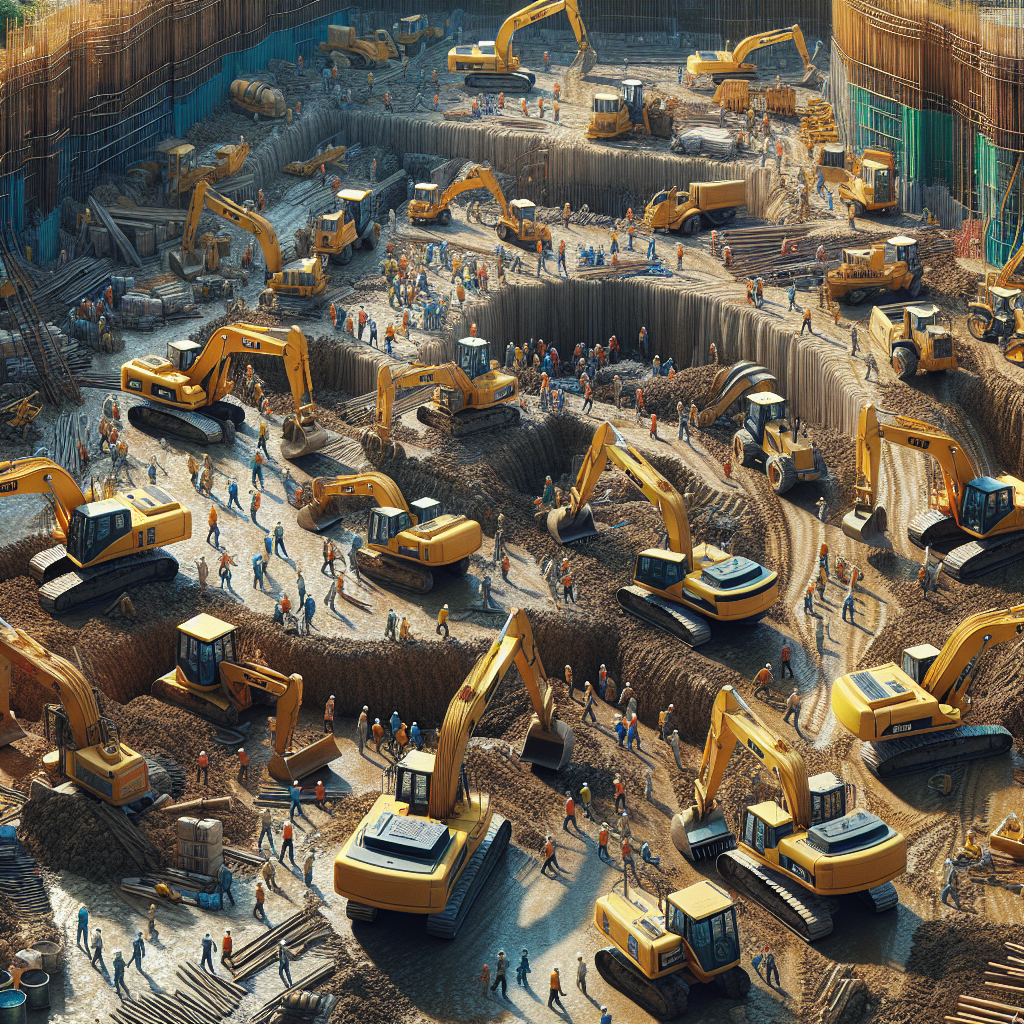
Ready to dig into why excavation matters? Let’s unearth some insights into its importance within sustainable construction practices!
The Environmental Impact of Excavation
Soil Erosion and Its Consequences
The consequences of soil erosion extend beyond mere aesthetics. It impacts agricultural productivity, water quality, and even infrastructure stability.
Here’s the kicker: when topsoil is lost, it takes years-sometimes decades-to restore its fertility.
Excavation contractors must implement erosion control measures, such as silt fences or sediment basins, during land-clearing services to prevent this disaster.
Impact on Local Ecosystems
Excavation doesn’t just alter the ground; it reshapes entire habitats. When heavy machinery rolls in for grading and leveling or site preparation, local flora and fauna often take a backseat-or worse, they disappear altogether.
The interesting part? Many species rely on specific soil types or vegetation that can be destroyed during excavation.
- Invasive species may thrive when native plants are removed.
- Wildlife habitats can be fragmented or destroyed entirely.
- The balance of local ecosystems can be thrown off-kilter.
Water Management During Excavation Processes
A crucial aspect often overlooked is water management during excavation processes.
Heavy rains combined with disturbed soil create a recipe for disaster-flooding at construction sites leads to muddy chaos and potential project delays.
Not only does this impact timelines, but it also contributes further to environmental degradation. Implementing stormwater management solutions is essential here. Techniques such as:
- Creating temporary retention ponds
- Using permeable surfaces for access roads
- Installing drainage systems early on in the process
These methods help manage excess water effectively while protecting surrounding ecosystems from runoff pollution.
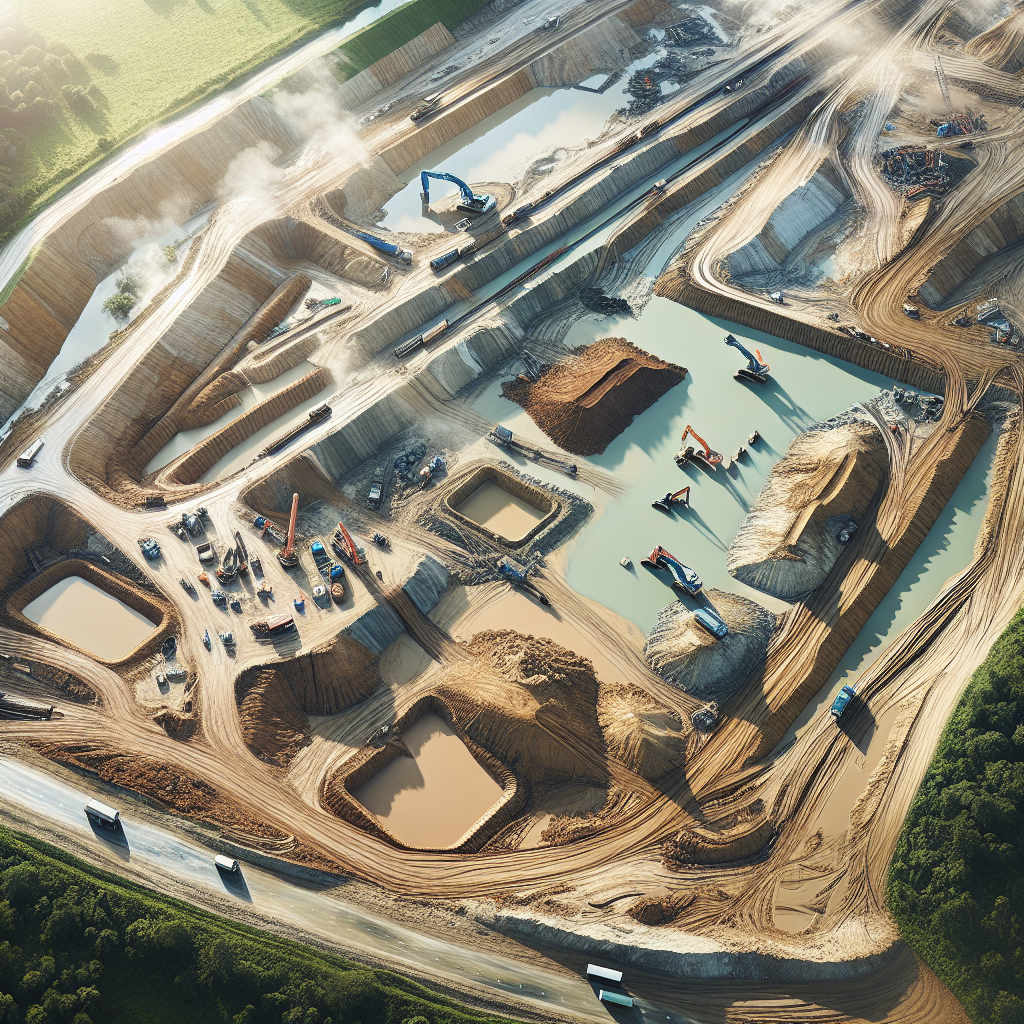
The takeaway? Understanding the environmental impact of excavation is paramount not just for compliance but for the health of our planet.
Sustainable Excavation Practices
Minimizing Land Disturbance
Before any digging services commence, excavation contractors should conduct thorough site assessments.
This includes identifying sensitive areas that need protection, such as wetlands or habitats for endangered species.
Techniques such as lot clearing and grading should be executed with precision to minimize impact.
- Utilize advanced surveying tools to map out sensitive areas.
- Employ techniques like selective clearing rather than clear-cutting.
Utilizing Eco-Friendly Equipment and Technologies
If you think heavy machinery is all about smoke and noise, think again! The construction industry is experiencing a revolution with eco-friendly equipment making waves in excavation services.
Electric backhoes and hybrid bulldozers are no longer just concepts; they’re real options that help decrease carbon footprints while maintaining efficiency.
- Consider heavy equipment rental options that prioritize sustainability.
- Incorporate GPS technology for precision grading and leveling.
- Select machinery that utilizes alternative fuels or electric power sources.
Recycling and Reusing Excavated Materials
Recycling excavated materials, such as concrete or asphalt, also contributes significantly to sustainability goals by reducing landfill usage and conserving raw materials needed for new construction projects.
Think about how much concrete is wasted simply because it’s easier to dump than recycle!
- Create on-site stockpiles of reusable materials during excavation.
- Partner with local recycling facilities that accept construction debris.
- Implement strategies for reusing soil in landscape grading contractors’ designs.
The Role of Excavation in Structural Integrity
Foundation Stability and Excavation Services
The first order of business in any construction project is ensuring that the foundation is solid. Excavation contractors play a pivotal role here.
They assess soil conditions, dig trenches for footings, and prepare the site to support the structure above ground. Think of them as the unsung heroes who lay down the groundwork for your dream home. So what does this entail? For starters:
- Soil testing: Understanding soil composition helps determine if additional support is needed.
- Trenching services: Proper trenching ensures that footings are placed correctly and securely.
- Grading and leveling: A level base prevents uneven settling over time.
If you skip any of these steps, you’re asking for trouble. Picture your beautifully designed kitchen sitting atop an unstable foundation-yikes! The reality is that investing in quality excavation services pays off handsomely in the long term.
The Importance of Proper Drainage Systems
Water is both friend and foe in construction. While we need it to mix concrete or hydrate plants, improper drainage can spell disaster for your building’s integrity.
Here’s where excavation becomes crucial again: it establishes effective drainage systems right from the start. Excavation contractors must plan for:
- Utility trenching: Installing drainage pipes during initial digging saves time later on.
- Basement excavation services: Ensuring proper slope away from structures prevents water pooling around foundations.
- Erosion control solutions: Implementing measures like silt fences keeps soil where it belongs-on-site!
The interesting part? Many homeowners overlook drainage until it’s too late, leading to costly retrofits or worse, a flooded basement! Don’t be that homeowner; proactive planning during excavation can save you headaches down the road.
How Excavation Affects Long-Term Building Sustainability
Sustainability isn’t just about using green materials or energy-efficient appliances; it starts with how we prepare our sites.
Effective excavation practices contribute significantly to long-term building sustainability by ensuring stability and minimizing environmental impact.
- Soil preservation: Careful excavation techniques help maintain soil quality for landscaping or future use.
- Dirt removal services: Efficiently managing excavated materials reduces waste and promotes recycling efforts.
- Pond-digging services: Creating natural water features can enhance landscape aesthetics while providing natural drainage!
Case Studies: Successful Sustainable Excavation Projects
Examples from Luxury Home Remodeling Projects
- Soil Preservation: The team conducted extensive soil testing before beginning any digging services. This ensured the right foundation was laid without compromising the surrounding ecosystem.
- Erosion Control: Silt fences and sediment basins were installed proactively to manage runoff during heavy rains, protecting nearby waterways from sedimentation.
- Recycling Materials: Excavated soil was repurposed for landscaping, reducing waste and enhancing the property’s natural beauty.
This project not only turned heads for its design but also set a benchmark for sustainability in luxury home remodeling. It proved that excavation doesn’t have to be destructive; it can be an art form!
Lessons Learned from Past Projects in Sustainable Construction
For instance, during a renovation of an upscale property in San Francisco, excavation contractors realized halfway through that their initial plans didn’t account for underground utilities installation.
This oversight led to costly delays and additional work for utility trenching.
- Conduct Thorough Site Assessments: Always map out existing utilities before commencing work to avoid surprises.
- Engage Experts Early: Involve site development contractors from the outset to ensure all aspects are covered-from drainage solutions to soil stabilization.
- Prioritize Communication: Keeping lines of communication open among architects, engineers, and excavation teams prevents misalignments that can derail projects.
The Future of Excavation in Sustainable Construction
Innovations in Excavation Technology
- Automated machinery: Robotic excavators are becoming a reality, allowing for precise digging with minimal human intervention. This reduces errors and waste.
- Drones: These high-flying helpers can quickly and accurately survey land, providing real-time data to excavation contractors for better planning.
- Smart sensors: Embedded in equipment, these devices monitor fuel efficiency and emissions, ensuring that every dig is as eco-friendly as possible.
The Growing Importance of Sustainability in the Industry
- Sustainable site development: Clients are increasingly interested in how excavation impacts local ecosystems. Conducting ecological assessments before breaking ground is now standard practice among top-tier excavation contractors.
- Material reuse: The future involves recycling excavated materials rather than dumping them into landfills. This means turning dirt into an asset rather than a liability!
- Water management solutions: Innovative drainage systems are being integrated into excavation plans from day one, preventing flooding and erosion while protecting natural waterways.
Conclusion and Call to Action
When homeowners and builders need safe, precise, and dependable excavation work, they turn to Royal Family Construction, Inc.
From grading and trenching to soil removal and full site preparation, we ensure every project starts with a strong and secure foundation. As a trusted contractor offering Bathroom Remodels, Kitchen Remodels, Room Additions, Garage Conversions, Full Home Renovations, and New Construction, our team brings expertise to every phase of your build.
Serving clients across New York, we’re ready whenever you need professional excavation services. Contact us at (818) 441-6705 or visit https://royal-construction.com/ to get started.
