
New Construction Excellence: Building Your Dream Home From the Ground Up
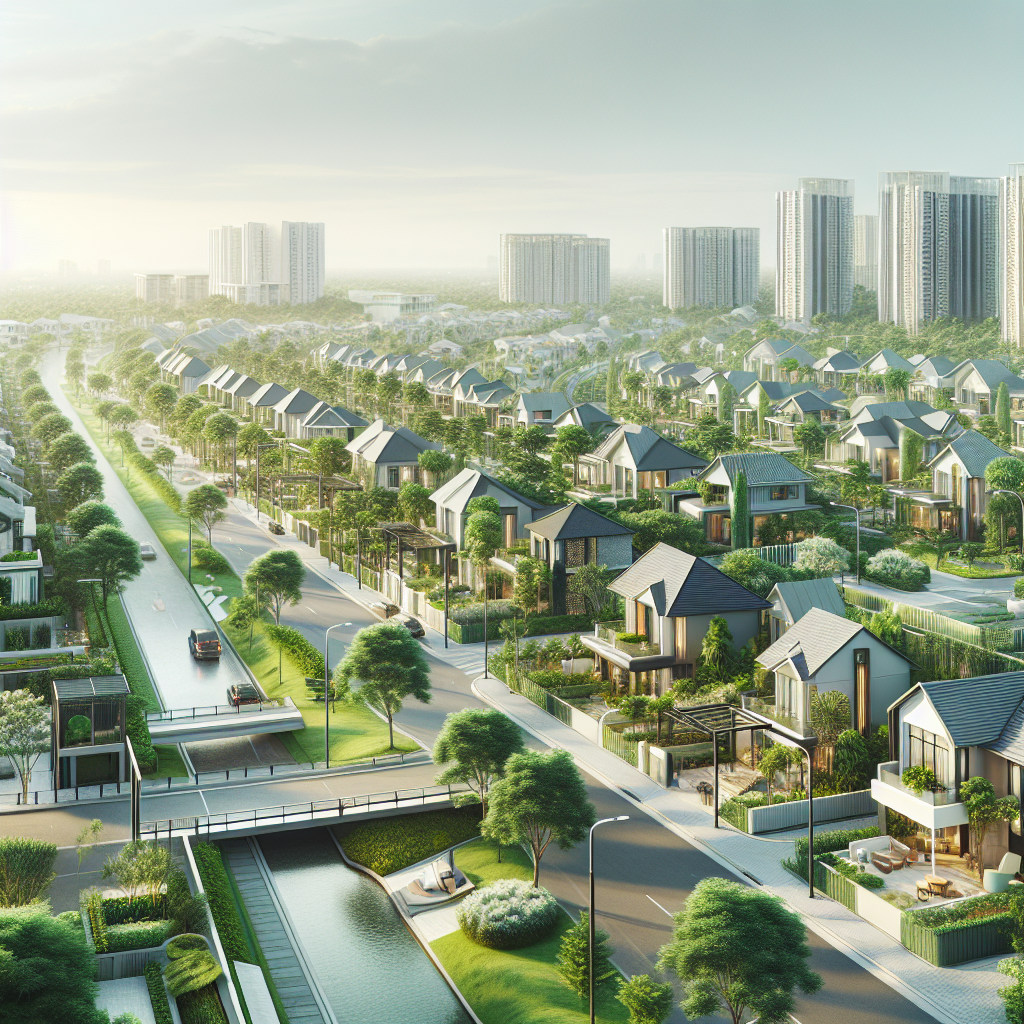
Building a new construction isn’t just about walls and roofs; it’s about creating a sanctuary that reflects your lifestyle and aspirations.
Did you know that in 2022, the value of new private residential construction in the U.S. reached a staggering $938 billion?
That’s a lot of dreams being built! But before you dive into this financial ocean, it’s crucial to clarify your vision.
Selecting the Right Location for Your New Home
Consider Your Lifestyle
- Access to public transportation or major highways
- Proximity to work or school
- Availability of recreational activities like hiking trails or sports facilities
- Nearby amenities such as grocery stores and restaurants
Research Future Developments
Before you sign on the dotted line, take a peek at what’s brewing in the area. New housing developments can dramatically change property values and community dynamics.
For example, if an urban development project is planned to bring new businesses and infrastructure nearby, it could enhance your neighborhood’s appeal—and potentially its value.
Conversely, if there are plans for commercial construction that could disrupt peace and quiet, it might be time to reconsider.
Evaluate Local Real Estate Trends
Location, location, location isn’t just a catchy phrase; it’s the bedrock of real estate wisdom. Understanding local market trends can help you avoid costly mistakes.
For instance, if new construction trends show a rise in energy-efficient homes or smart home technology adoption in certain neighborhoods, aligning your build with these trends could offer long-term benefits.
Tip: Consult local real estate agents who are on the pulse of current trends and can provide insights into which neighborhoods are emerging as hot spots.
Choosing the Right Builder for Your Project
Assessing Credentials and Experience
Start by digging into their credentials. Look for builders with solid experience in residential construction, particularly in new home construction.
Ask about their portfolio—do they have examples of custom home builds similar to what you envision? A builder specializing in luxury home projects will have a different approach than one focused on affordable housing.
- Check for licenses and insurance.
- Look for industry certifications (like LEED for sustainable practices).
- Ask about their experience with local building codes.
Evaluating Past Projects
Next up, take a stroll down memory lane—well, theirs anyway. Request references from past clients and don’t hesitate to reach out.
Ask about their experiences: Were deadlines met? How was communication throughout the process? Did they feel involved in decision-making? If you can, visit some of their completed new build homes. Seeing the quality of work firsthand is invaluable.
Tip: Look beyond aesthetics; focus on craftsmanship and durability.
Understanding Their Process
They should be transparent about how they handle changes or unexpected challenges during the build. This is particularly important when you consider modern construction techniques or sustainable building practices—you want someone who can adapt as new trends emerge.
- Initial Consultation: Discuss your vision and budget.
- Design Phase: Collaborate on plans and materials.
- Construction Phase: Regular updates on progress.
- Final Walkthrough: Ensure everything meets expectations.
Green Is Not Just a Color
If sustainability matters to you (and let’s be honest—it should!), ensure your builder embraces eco-friendly construction methods.
Look for new developments that use green building materials or energy-efficient systems. Builders who are up to date with energy-efficient homes often incorporate smart home technology into new builds as part of their offerings.
Designing Functional and Aesthetic Spaces
The Balance Between Form and Function
Imagine walking into a stunning living room with floor-to-ceiling windows, only to find there’s no space for your beloved sectional sofa.
A beautiful design should never compromise functionality. When planning your new home construction, start by considering how you live.
Do you host family gatherings? If so, an open-concept layout might be ideal for easy flow and interaction. On the flip side, if you value quiet retreats, think about how to carve out cozy nooks without sacrificing style.
Important: Identify your lifestyle needs before finalizing any designs.
Incorporating Smart Home Technology
Let’s talk tech! Smart home technology is no longer just a luxury; it’s becoming essential in new-build homes. From automated lighting to energy-efficient HVAC systems, integrating these features not only enhances convenience but can significantly reduce energy costs.
- Smart thermostats that learn your habits.
- Automated lighting systems that adjust based on the time of day.
- Security cameras with mobile access for peace of mind.
- Voice-activated assistants to control various functions hands-free.
Choosing Sustainable Materials
Green isn’t just a color; it’s an approach! As eco-friendly construction methods gain traction in residential building projects, opting for sustainable materials can enhance both aesthetics and functionality.
Think reclaimed wood beams or bamboo flooring that add character while being environmentally friendly. These choices not only contribute to a healthier planet but also often result in lower long-term maintenance costs.
Navigating Permits, Regulations, and Zoning Laws
Understanding Local Zoning Laws
Zoning laws dictate what you can build and where you can build it.
- Residential vs. Commercial Zoning: Know what applies to your project.
- Setback Requirements: Understand how far your home must be from property lines.
- Height Restrictions: Some areas have limits on the height of buildings.
Permitting Process Demystified
Once you’ve got a grip on zoning, it’s time for permits. Think of permits as the golden ticket that allows you to start construction legally.
The process varies widely depending on location and project scope, but generally involves submitting plans for approval and paying fees. It might feel like jumping through hoops—because it is!
But getting this right is essential to avoid fines or, worse, having to tear down your half-finished dream home.
Tip: Always consult with local home construction companies or legal experts to ensure you’re following all necessary guidelines.
Common Pitfalls in Permitting
“ I didn’t know I needed that permit” is a phrase no builder wants to hear—and yet it happens all too often. Many homeowners underestimate the number of permits required for their projects.
For example, electrical work often requires separate permits beyond just general building permits. Don’t let ignorance be your downfall; create a checklist of all potential permits needed for your new home construction.
- Assuming One Permit Covers All: Each aspect (plumbing, electrical) may require its own permit.
- Delaying Applications: The longer you wait to apply, the longer your delay will be.
- Ignoring Expiration Dates: Some permits have a limited lifespan—keep track!
Future-Proofing Your Build
Regulations are ever-evolving—especially when it comes to sustainable building practices and energy efficiency standards. If you’re investing in new construction, consider how future regulations may affect your build.
Opting for eco-friendly materials or smart home technology now could save time and money down the line as codes become stricter.
Navigating the maze of permits, regulations, and zoning laws might seem daunting at first glance—but think of it as setting up the foundation for success! Understanding these elements early on will save you headaches later in the process.
Managing the Construction Process Effectively
Establishing Clear Communication
First things first: communication is key. Imagine trying to build a new home without ever talking to your builder—chaos would reign! This keeps everyone accountable and reduces the risk of miscommunication.
- Schedule weekly progress meetings.
- Utilize digital tools for real-time updates.
- Encourage open dialogue between team members.
Creating a Detailed Timeline
A goal without a timeline is just a dream, as they say. When managing new construction, having a detailed timeline is crucial.
Break down each phase of your project—from breaking ground to final inspections—and set realistic deadlines for each stage.
This not only helps you stay organized but also allows you to anticipate potential bottlenecks before they become major issues.
- Phase 1: Site preparation (2 weeks)
- Phase 2: Foundation work (4 weeks)
- Phase 3: Framing (6 weeks)
- Phase 4: Interior finishes (8 weeks)
Monitoring Budget and Resources
$938 billion in new private residential construction sounds impressive, but it can vanish quickly if you’re not careful! Keep an eye on your budget by tracking expenses against your initial estimates.
Use accounting software like QuickBooks or FreshBooks, specifically tailored for construction projects—this will help you manage invoices, payments, and overall financial health more effectively.
Budget overruns are among the top reasons projects fail; don’t let yours be another statistic!
Incorporating Smart Home Technology Seamlessly
Key Features to Consider
When planning for smart home integration, consider features that will genuinely improve your quality of life. Here are some must-haves:
- Smart thermostats that learn your habits and adjust accordingly.
- Automated lighting systems that can be controlled remotely or set to follow schedules.
- Security cameras with mobile access for peace of mind when you’re away.
- Voice-activated assistants to manage various functions hands-free.
Tip: Start with essential features, then expand as you become more comfortable with the technology.
The Importance of Compatibility
Not all smart devices play nicely together. Before you start adding tech to your new construction project, ensure device compatibility. Opt for products that work seamlessly within the same ecosystem—think Google Home or Amazon Alexa.
This way, you won’t find yourself in a situation where your thermostat refuses to communicate with your security system like an awkward family reunion.
Finalizing Interior Design Choices for Lasting Impact
Prioritize Functionality
Before you dive into the aesthetics, consider how each space will function.
For instance, if you’re planning a kitchen that doubles as a family gathering spot, think about how the layout will facilitate movement.
An open-concept design can encourage interaction while cooking, but don’t forget about storage—no one wants to see a mountain of clutter when guests arrive!
- Consider traffic flow: How will people move through the space?
- Think about multi-purpose areas: Can your dining room also serve as a workspace?
- Plan for storage: Invest in built-ins or clever solutions to keep things tidy.
Embrace Your Personal Style
Trendy is great until it becomes outdated. Your home should reflect your personality rather than just what’s hot on Pinterest this season.
Think about what styles resonate with you: Are you drawn to mid-century modern lines or rustic farmhouse charm?
Create a mood board with images, colors, and textures that inspire you. This will help guide your decisions and ensure consistency throughout.
Your home should be an expression of who you are—don’t let fleeting trends dictate your choices!
Choose Quality Over Quantity
You get what you pay for is especially true in interior design. Instead of filling your home with cheap decor that won’t last, invest in fewer high-quality pieces that elevate the space.
Look for sustainable options made from durable materials—this not only enhances aesthetics but also aligns with modern construction techniques focused on eco-friendliness.
- 1. Select timeless furniture that won’t go out of style.
- 2. Opt for natural materials like wood and stone.
- 3. Incorporate art pieces that resonate with your experiences.
In conclusion, finalizing your interior design choices is about creating spaces that are functional yet uniquely yours.
Take time to explore options, consult with experts if needed, and remember: this is where you’ll create memories! So grab those swatches and mood boards—it’s time to turn your vision into reality!
Conclusion
When you need reliable, high-quality new construction, Royal Family Construction, Inc. delivers outstanding results. We combine industry expertise, innovative building techniques, and premium materials to bring your dream home or property to life.
From the earliest design ideas to the final walk-through, our team manages every phase with precision and transparency.
We’re committed to building structures that are safe, stylish, and made to last. Proudly serving New York, we turn empty lots into exceptional living spaces that increase value and elevate your lifestyle.
Royal Family Construction also specializes in Bathroom Remodels, Kitchen Remodels, Room Additions, Garage Conversions, Full Home Renovations, and more. Contact us at (818) 441-6705 or visit https://royal-construction.com/ to get started today.
